
About
I have been the entrepreneur in the case study. Now I teach it.
Twenty years in business. Eleven years in the classroom. One firm belief about how people actually learn.

The short version
I founded a cosmetics company, built it into a supplier to the high street, sold it three years later, and then spent a decade mentoring other business owners through the same decisions. Eleven years ago I walked into a classroom to teach Business, and found I was better at that than at anything I had done before.
I still run the business half of my life — I write, I speak, and I tutor privately alongside teaching. But the classroom is the part I would do for nothing, which is generally a reliable sign you have found the right work.
Building Diva
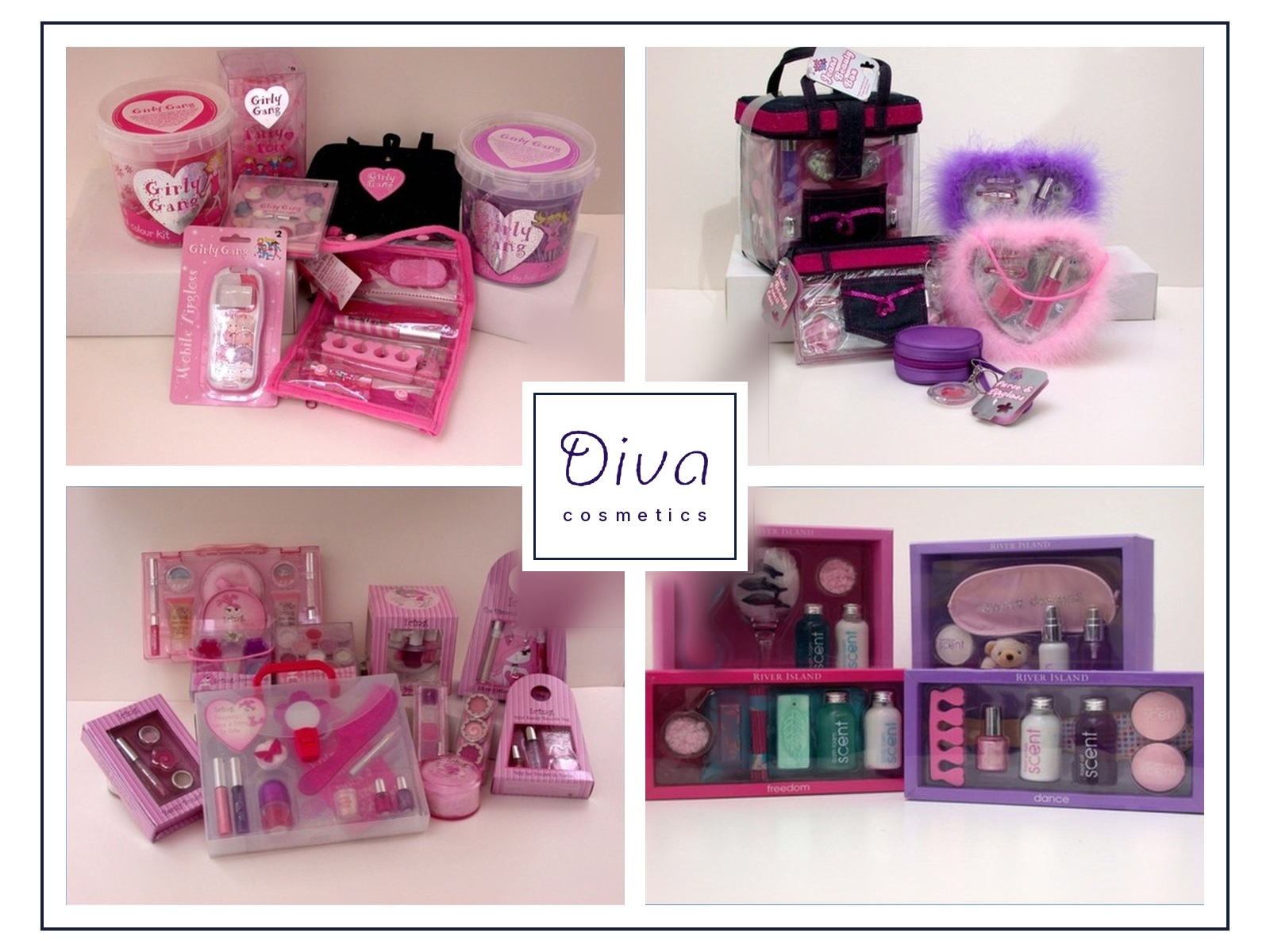
In 2000 I launched Diva Cosmetics. We created and supplied bespoke colour cosmetics, skincare and gift sets for the high street — Claire’s Accessories, New Look, Mothercare, Accessorize, River Island, George at Asda. Own-label ranges built to a retailer’s brief, to a retailer’s deadline, at a price argued over a penny at a time. I built the range, won the listings, hired a team, and ran the whole thing from Bournemouth.
Everything my students meet as a bullet point — cash flow, supplier relationships, retail buyers, break-even, own-label positioning, hiring people, keeping them — I did with my own money at risk. I sold the company in 2003 when I worked out that I could either build the business properly or be the mother I wanted to be, and not both at once. That decision is itself a Business A Level answer: objectives change, and strategy has to change with them.

What came next
After a stretch at home with my children I founded EMpwr, mentoring small business owners across the country. I wrote BOOM! — seven disciplines to control, grow and add impact to your business — spoke at conferences, and appeared on the BBC’s Beat the Boss. Hundreds of business owners later, I had a very clear picture of why some businesses grow and most do not.
And then I did the thing nobody expected and went into teaching.
Why the classroom
Because I realised the part of business I loved most was never the spreadsheets. It was watching somebody’s face change when a concept finally lands — when the person who was convinced they “don’t get” finance suddenly gets finance.
Eleven years on, I teach Business at a selective state school in Dorset and I have taught across the full GCSE and A Level range. I tutor to AQA and Edexcel. I have marked, I have moderated, and I have read enough exam scripts to know precisely how a good student loses six marks they had already earned.
What I believe about learning
Three things, and everything I do with your child follows from them
1
Understanding is not the same as remembering
Almost every student I meet understands more than they can recall under pressure. They read a page, it makes sense, and they conclude they know it. In the exam hall, nothing comes. The gap is not intelligence — recognising something is a completely different skill from retrieving it, and only one of those is examined.
2
Forgetting is the mechanism, not the enemy
Ebbinghaus showed us the forgetting curve; Roediger and Karpicke showed that being tested on material beats re-reading it by a distance; Bjork gave us desirable difficulty — the effort of dragging something back out of memory is exactly what strengthens it. Revision that feels easy is usually revision that is not working.
3
Business is a subject you argue, not one you recite
An A grade answer is not a memorised definition of Herzberg. It is knowing Herzberg, applying him to this specific firm in this specific market, weighing him against Taylor, and committing to a judgement. So we learn the theorists properly — Maslow, Herzberg, Taylor, Ansoff, Porter, Kotter — and then spend most of our time arguing with them.
Working with your family
I have taught teenagers for eleven years and parented three of my own, so I have a realistic view of how much nagging a household can absorb.
What I ask of your child: turn up, try the retrieval between lessons, and be honest when something has not gone in. What I ask of you: nothing except letting me know if something changes at home or at school that I ought to know about. What you get from me: regular, honest, jargon-free updates — including the ones where I tell you the work is not being done.
I do not tell parents what they want to hear. I have found that families would far rather have the accurate picture in November than the surprise in August.
If that sounds like the right fit, let’s talk
The first conversation is free and costs you twenty minutes.